| WTI Crude | $84.64/bbl | +0.1% |
| Brent Crude | $84.85/bbl | -0.7% |
| HH Nat Gas | $5.72/MMBtu | +12.2% |
| MB Propane | $1.38/gal | -7.2% |
| 3:2:1 Crack | $21.91/bbl | +3.1% |
Expensive natural gas means expensive colors
German specialty chemical company, Lanxess, has announced price increases for its inorganic pigments due to the rising price of natural gas.
Catching you up:
In case you've missed some of the recent news (curtailed ammonia production and MDI price hikes), the price of natural gas is soaring. The high prices are a result of tight supply (you can mostly blame Europe's winter last year and hurricanes) as well as a return to normal demand.
Okay, so pigments:
Iron and chrome oxide pigments are the most commonly used pigments in the world. And no matter which way you make them you end up using steam or a super hot oven (650°C or so). You can't make steam or a hot oven without adding heat—and that's where burning natural gas comes in. With natural gas prices 2-3x higher than normal, Lanxess has decided to temporarily increase the price of its iron and chrome oxide pigments by $385 per ton (chemical prices are complicated, but that's roughly 30%).
Read the press release here.
Neste is forming a molecular recycling joint venture
Finnish refiner, Neste, has announced the formation of a joint venture with plastic recycler, Ravago, using Akron-based Alterra's molecular recycling technology.
A little history:
Last December, we saw Neste try processing depolymerized plastic waste at one of its refineries. At the time, Neste only told us that it was "supported by its partner Ravago" to make this happen. Then, two weeks later, Neste acquired a minority share of Alterra. Today, all of the dots connect—Ravago will source and mechanically process the plastic waste, Alterra's technology will depolymerize it, and Neste will use that pyrolysis oil to make more polymers.
Looking forward:
While no dates for construction or start-up have been set (the JV is still subject to regulatory approval), we do know that the plant will process 55,000 tons per year. For comparison, ExxonMobil's molecular recycling plant (which we talked about a couple of weeks ago) will handle 33,000 tons per year. After these companies get their first site operational you can probably expect the sites to be 5-10x larger (we love scale).
Read the press release here.
More lithium hydroxide is coming to China
US-based specialty chemicals company, Albemarle, has announced plans to build two new lithium hydroxide plants in China.
Some context:
One of the most critical parts of a lithium-ion electrochemical cell (and the largest by volume) is the cathode. Cathodes are produced from cathode active materials (CAM) like NMC, NCA, and LMO. Cathode active materials are the combination of lithium hydroxide (or lithium carbonate) with precursor metal oxide powders (PCAM).
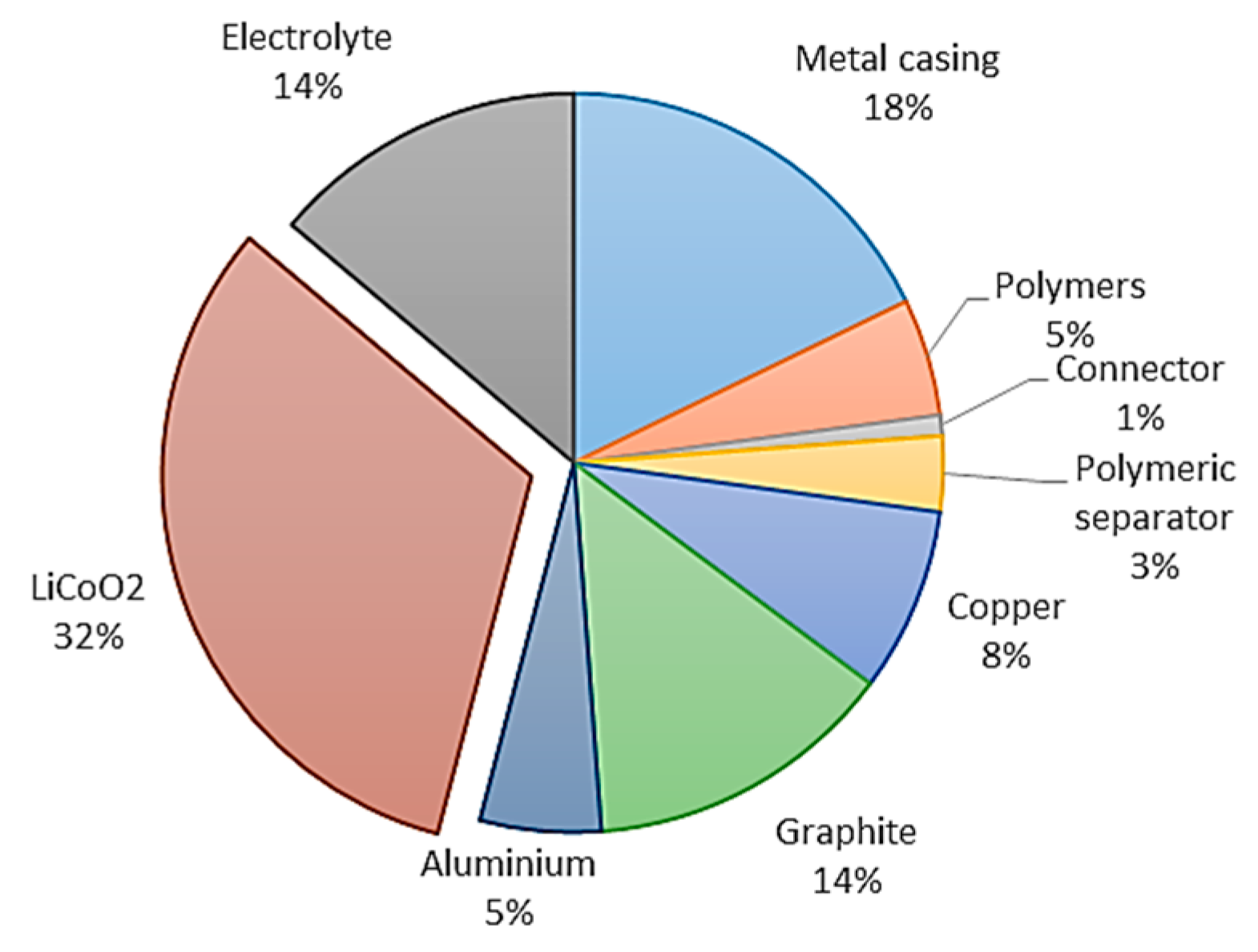
Just to give you an idea, the supply chain looks something like this: Albemarle produces the lithium compounds, BASF uses them to make the CAMs, and Tesla puts it all together in their electrochemical cells.
Why lithium hydroxide?
For decades lithium carbonate has been the lithium compound of choice for battery producers. But some of those cathodes (specifically NMC and NCA) can't be made with lithium carbonate—and it's those same cathodes that are most popular in EVs. That being said, it's still not clear what cathode chemistry will dominate in the long run. It was just last week that Tesla decided to go to LFP after years of using NCA.
Read the press release here.
The Reboiler:
- ExxonMobil annocuned plans to expand carbon-capture capacity in Wyoming
- Twelve (formerly Opus 12) has officially made CO2-derived jet fuel
- Elkem is testing a CO2-capture pilot for silicon smelters
- Celanese pulled off a profit of $506M during Q3
- This joint venture still hasn't decided whether to resume its Corpus Christi PET project
MOTD: eo

Today's MOTD needs no introduction, it's ethylene oxide.
Occasionally used to accelerate the maturation of tobacco leaves, ethylene oxide (EO) was first reported in 1859 by this French chemist. The world uses quite a bit of the molecule, with a global production capacity of roughly 30 million tons.
EO can trace its commercial beginnings back to Germany during World War I as BASF produced it with the chlorohydrin process.
Quickly outperformed economically by Union Carbide's direct oxidation process in 1937, today basically all global production is based on oxidation. EO is a critical intermediate for tons of end products that we use everyday, but this pie chart sums it up its end markets pretty nicely.

Generally speaking, it's the same companies who make ethylene that make EO (think of Dow Chemical, SABIC, Sinopec, etc.). After that EO is made it doesn't travel very far before it's converted into something else (because it's difficult to transport).