| WTI Crude | $78.32/bbl | +2.1% |
| Brent Crude | $82.37/bbl | +1.7% |
| HH Nat Gas | $4.93/MMBtu | +2.1% |
| MB Propane | $1.12/gal | +0.3% |
| 3:2:1 Crack | $19.74/bbl | +3.5% |
Shell's pyrolysis processing plans
London-based petroleum giant, Shell, has announced plans to build a pyrolysis oil processing unit at its chemical complex in Singapore.
A little background:
When we talk about pyrolysis oil, the first thing that should come to mind is the molecular recycling of plastic waste. Molecular recyclers depolymerize mixed-waste plastic (aka sorting not necessary) to produce a hydrocarbon soup fit for use in existing steam crackers. The problem with limited sorting is that your soup ends up contaminated with silicon, chlorine, diolefins, and various metals. Shell has plans to use 1 million tons per year of this pyrolysis oil by 2030 and is well on its way to secure that feedstock.
So, a processing unit?
The unit Shell is planning to build won't be depolymerizing the plastic, it will be purifying imported pyrolysis oil. That oil will then be blended with its petroleum-based feedstocks prior to entering the steam cracker. Olefins (like ethylene, propylene, and butadiene) will come out the other end without encouraging corrosion or making bad product.
Zooming out:
When Shell's chemical complex started up in 1961 it became Singapore’s first refinery. Since then, the company has integrated downstream units to process the lighter ends of crude oil into petrochemicals. This complex in particular is home to a 1 million ton per year steam cracker. This pyrolysis processing unit will make sure 50,000 tons per year of it come from plastic waste.
Read the press release here.
Daramic wants to separate more batteries
Subsidiary of Japan's Asahi Kasei, Daramic, has announced plans to double its polyethylene (PE) battery separator production in Dahej, India.
For lithium-ion batteries?
Nope. These separators are for the lead-acid batteries you'll find in your typical vehicle—not electric vehicles (EVs). That being said, PE also works for lithium-ion batteries and we talked about it just a month ago.
Wait, what's a separator?
Batteries are primarily composed of a cathode, anode, electrolyte, and separator. The separator, which is typically a permeable membrane soaked with liquid electrolyte, prevents contact between the cathode and anode while allowing for the transport of ions across the cell. Daramic has been making these things since 1969.
Why make more?
With all of this noise about EVs, it's easy to forget that the deployment of EVs is regional (ie. wealthier nations get them first). The reason Daramic chose to double this site in India and not the US is because India's rapid growth still demands investment in traditional vehicles (and their components as a result).
Read the press release here.
The Reboiler:
- Air Liquide and BASF want to develop a joint carbon capture project
- Axens is increasing the price of its catalysts and adsorbents
- Mitsui Chemicals is investigating a molecular recycling technology based on microwaves
- Eni just formed a JV with BF Group to focus on biorefining
- New Hope Energy's pyrolysis technology is headed to Europe via Lummus
MOTD: benzaldehyde
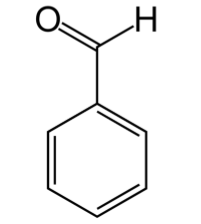
Today's MOTD is the world famous, benzaldehyde.
First extracted from bitter almonds by a French pharmacist in 1803, this simple aromatic aldehyde can be used for much more than the key flavoring agent in imitation almond extracts. You'll even find a microgram or two of it in each JUUL pod.
The world produces somewhere around 100,000 tons of benzaldehyde each year. Nearly all of that is derived from the oil and gas industry (let's call it about 97%) by the chlorination or oxidation of toluene (which you'll find plenty of at a refinery).
A big chunk of that benzaldehyde (51% is used to produce benzoic acid, with sodium benzoate, cinnamic acid, and benzyl alcohol taking up the rest of the cake. Most of those derivatives find their way into dyes, perfumes, cosmetics, and in the food and beverage industry.