| WTI Crude | $73.64/bbl | +2.8% |
| Brent Crude | $74.49/bbl | +1.9% |
| HH Nat Gas | $3.15/MMBtu | -2.5% |
| MB Propane | $0.98/gal | +2.6% |
| 3:2:1 Crack | $13.48/bbl | -5.0% |
CP Chem locks in some more pyrolysis oil
US-based Chevron and Phillips 66 joint venture, Chevron Phillips Chemical (CP Chem), has signed a long-term agreement to receive plastic-waste-based pyrolysis oil produced by Braven Environmental.
Bringing you up to speed:
We saw CP Chem sign a similar agreement back in January, but with another supplier called Nexus Fuels. Both of these supply agreements follow CP Chem's announcement from last October—that's when the company produced polyethylene from a waste-based feedstock for the first time.
Bigger picture:
CP Chem is a major producer of ethylene, propylene, and the polymers that they become. In the US, that starts with the steam cracking of ethane (cracking naphtha is more common in Europe). CP Chem, and many other petrochemical companies, are looking to use their existing equipment to crack pyrolysis oil from plastic waste instead of just ethane as a means to achieve product circularity.
Read the press release here.
Indorama is making enough PNDA for a decade
Thailand-based chemical company, Indorama Ventures, has announced the start-up of a new purified 2,6-naphthalene dicarboxylic acid (PNDA) unit at its site in Decatur, Alabama.
What are they making?
PNDA is a difunctional aromatic ester that is typically used to produce naphthalate polymers such as PEN and PBN. Those polymers have properties that make them great for electronics and high-temperature applications (usually as a less expensive alternative to polyimides).
So, why make more?
Indorama cited a desire to help their customers "capture the growth in 5G and related end-use markets". This capacity expansion alone is expected to "produce enough PNDA to fulfill current and forecast global demand for the next 10 years" and has made Indorama the world's largest producer of PDNA.
Read the press release here.
Haldor's renewable fuels tech is headed to Saskatchewan
Canadian renewable fuels company, Covenant Energy, has selected Danish chemical technology company, Haldor Topsoe, to provide hydrotreating and hydrogen process technologies to its proposed $500 million site in southern Saskatchewan.
What are the technologies?
Haldor Topsoe's hydrotreating process, called HydroFlex, reacts the renewable feedstock (lipids) with hydrogen (at high temperatures and pressures) in the presence of a catalyst. The hydrogen technology, called H2Bridge, provides on-site production of hydrogen from feedstocks like renewable LPG or naphtha (instead of consuming natural gas to produce hydrogen).
Zooming out:
We've seen renewable fuels plants popping up a lot recently, as major refiners like Phillips 66 and Marathon Petroleum look to convert their old refineries. Just last week that we saw one of Haldor Topsoe's competitors have their technology chosen for a different plant. Remember, this renewable diesel isn't the same thing as the biodiesel you're probably more familiar with (check out this video if you need a refresher).
Read the press release here.
The Reboiler:
- Saudi Aramco just raised $6 billion with some Islamic bonds
- Motiva has agreed to supply S-Oil with more base oil than ever before
- PPG decided to expand its coatings manufacturing capacity in the Netherlands and Poland
- ADNOC just gave Saipem a $520 million contract to expand its sour gas plant capacity
- Axens and Sulzer are teaming up to license their FCC naphtha processing tech
MOTD: ethylene
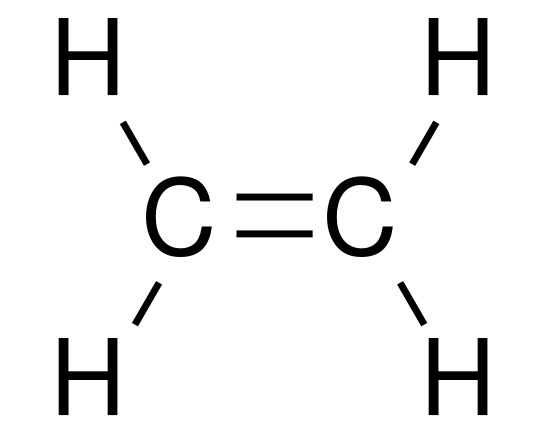
Today's MOTD is the one you've been waiting for… ethylene.
First discovered by this man in 1669, chemists have been playing with this molecule for quite some time. The term, olefin, has it's origin story in the fact that when ethylene is combined with chlorine it produces Dutch oil (which made ethylene an oil-making gas—or as they called it: olefiant gas).
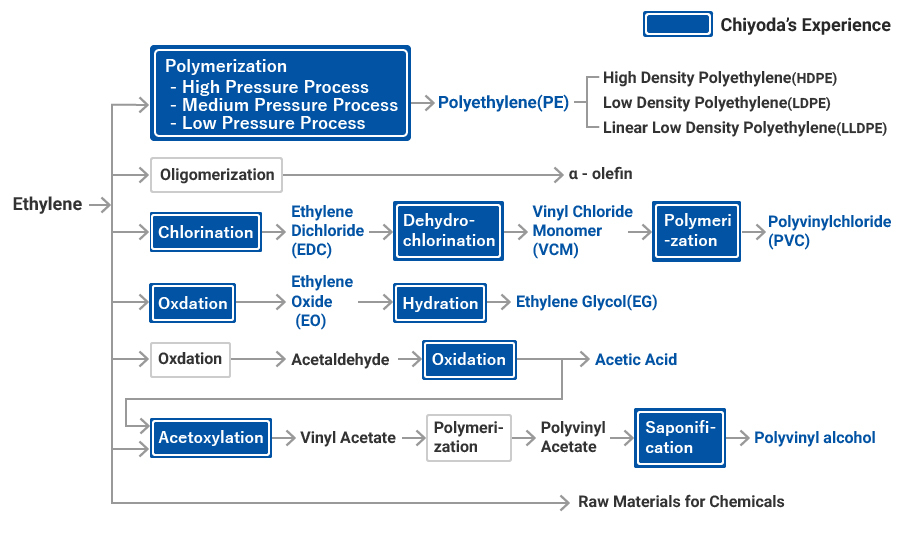
The simplest alkene is also the most widely produced organic compound in the world, with a globabl production of roughly 200 million tons per year. About 60% of that becomes polyethylene (HDPE 28%, LLDPE 18%, LDPE 14%), 18% becomes ethylene oxide, 11% becomes EDC (that's Dutch oil), and 5% becomes ethyl benzene. This flowchart paints a better picture.
All of that ethylene is made in one of three ways—steam cracking ethane and propane, steam cracking naphtha, or catalytically cracking gas oil. The main companies doing the cracking are your huge petrochemical companies like ExxonMobil, Dow Chemical, SABIC, Ineos, and many more.