| WTI Crude | $73.93/bbl | +2.2% |
| Brent Crude | $77.72/bbl | +3.5% |
| HH Nat Gas | $3.94/MMBtu | -3.9% |
| MB Propane | $1.12/gal | +3.2% |
| 3:2:1 Crack | $20.56/bbl | +4.2% |
LyondellBasell's fatal release of acetic acid in Texas
Global petrochemical corporation, LyondellBasell, released a statement announcing that a fatal release of over 100,000 pounds of material occurred at its acetyls plant in La Porte, TX.
What happened:
While investigations are still in progress, it appears that the source of the release was a burst cap on a high-pressure line exiting the acetic acid reactor. Contact with the release and resulting vapor cloud (which primarily consisted of acetic acid) is what led to 2 fatalities and about 30 others who required medical assistance. While there is no shortage of accidents in the chemical process industries, this is perhaps the US's most dreaded accident since DuPont's methyl mercaptan release back in 2014 (which also occurred in La Porte, TX).
What the plant is for:
LyondellBasell's acetyls plant produces methanol from natural gas and reacts it with carbon monoxide (in the presence of iodomethane) to make acetic acid. That acetic acid (usually referred to as GAA) is mostly used to make VAM, which in turn is polymerized into PVAc. That's the stuff that makes Elmer's glue so sticky.
Read the press releases here.
Chemours sold its golden business too
Chemours, the DuPont spin-off, has decided to divest its sodium cyanide business to privately-owned Czech company, Draslovka, for $520 million.
Sound familiar?
That's because it was just two weeks ago when Draslovka acquired Sasol's sodium cyanide business. For Draslovka, these acquisitions are in line with the company's primary focus—cyanide-based chemicals. Now, Draslovka will own and operate the plant that DuPont built in Memphis, TN back in 1952. That site is home to the largest sodium cyanide plant in the world.
Sodium cyanide?
The molecule is typically produced by reacting sodium hydroxide with hydrogen cyanide (hydrogen cyanide comes from reacting alkanes with ammonia). We make this stuff (mostly) so that we can leach gold from ore in the mining industry.
Read the press release here.
Haldor will help make more methanol in China
Danish chemical technology company, Haldor Topsoe, has announced plans to form a joint venture (JV) with Yanchang to build a new catalyst plant in Shaanxi, China.
The details:
The new plant, which will be operational sometime in 2022, will be producing Topsoe's MK-151+ catalyst used to synthesize methanol. The catalyst produced at the site will be sold locally to the Chinese market (more on that below) to ensure faster delivery in the area.
Some context:
Just two weeks ago, we saw Haldor announce another new catalyst plant for the same reason—to make faster deliveries to the end market. As the world's largest methanol producer, China is converting more coal into syngas and then syngas into methanol each year (that second step is where the catalyst is used). We talked about this last time when Johnson Matthey landed an EPC contract to do just that.
Read the press release here.
The Reboiler:
- Linde's $200M worth of ASUs started up in Qinzhou, China
- KBR is going to engineer some of PKN Orlen's new units in Poland
- ExxonMobil found some more oil in offshore Guyana
- Haltermann Carless will now be the largest cyclopentane producer in the world
- TotalEnergies' offshore wind farm will power Air Liquide's new plant
MOTD: phosphoricacid
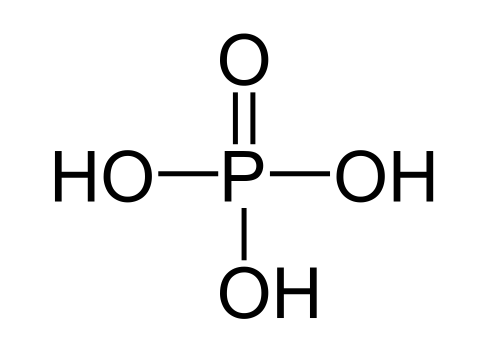
Today's MOTD is the one you've been waiting for… phosphoric acid.
Independently discovered by by a couple of Swedish chemists, this molecule was first discovered as a component of bone ash in the late 18th century. Today, the world produces some 50 million tons of this stuff each year by mining ore and treating it with heat and other chemicals.
We need all of that phosphoric acid primarily because we need it to make phosphate fertilizers. Over 90% of all phosphoric acid is used to do exactly that (DAP, MAP, and TSP are the main 3). The rest of the acid ends up quite a few different places, including semiconductor manufacturing, toothpaste, and detergents.
The main companies producing all of this phosphoric acid are the same ones who mine the ore. That includes (in no particular order) The Mosaic Company, Nutrien, and even Solvay.