| WTI Crude | $64.96/bbl | -1.0% |
| Brent Crude | $68.73/bbl | -1.4% |
| HH Nat Gas | $2.90/MMBtu | -3.0% |
| MB Propane | $0.81/gal | +0.0% |
| 3:2:1 Crack | $20.02/bbl | +2.6% |
Shell decided to sell its refinery near Seattle
Dutch oil giant, Shell, has announced the sale of its refinery north of Seattle to Dallas-based refiner HollyFrontier for $350 million.
Some context:
This 145,000 barrel-per-day refinery won't Shell's last refinery divestment. Just one decade ago, Shell owned and operated 54 refineries—and by last October we saw the company down to just 14. Further, Shell announced plans to reduce its refinery footprint to just 6 highly integrated sites.
Why is HollyFrontier buying?
Just because Shell doesn't want to focus on the conventional oil & gas business doesn't mean we don't still need oil & gas. The refinery will be HollyFrontier's first on the US West Coast and is expected to "complement [their] existing refining business". That's because the facility has access to advantaged Canadian crude and can sell into premium markets.
Read the press release here.
BASF decided to share patents to help make batteries
German chemical giant, BASF, and metals technology company, Umicore, have entered into a patent cross-license agreement for the wide range of cathode materials and their precursors.
What that means:
The two companies have agreed to combine their technologies that affect the "chemical composition, powder morphology, and chemical stability." of various cathode materials such as NCM and NCA for lithium-ion batteries. The agreement covers over 100 patent families filed around the globe that are "largely complementary".
Piecing it together:
Last November, BASF broke ground on a brand new cathode materials plant in Schwarzheide, Germany. The plant, scheduled to start up in 2022, will eventually produce enough cathodes for 400,000 electric vehicles each year. This cross-licensing agreement will rapidly increase BASF's product development speed and ensure that no time is wasted trying to develop independent technologies.
Read the press release here.
Siemens and Liquid Wind will make methanol together
German energy technology company, Siemens Energy, has announced an equity investment in and partnership with sustainable fuel start-up, Liquid Wind, for future green methanol facilities.
Who is doing what?
Siemens Energy has developed (and sells) a PEM electrolyzer that is called the Silyzer 300. This 70 MW electrolysis system will be integrated into Liquid Wind's facilities to split water into green hydrogen and oxygen using wind power.
Bigger picture:
This is the last piece of Liquid Wind's technology puzzle—the company already selected Carbon Clean's technology to source CO2 and Haldor Topsoe's technology to hydrogenate that CO2 into methanol. Liquid Wind's first plant aims to capture 70,000 tons of CO2 and produce 45,000 tons of methanol each year (primarily for use as a fuel in the shipping industry).
Read the press release here.
The Reboiler:
- Solvay stopped producing fluorosurfactants in the US in favor of its new technologies
- Marathon Petroleum decided to purchase 5 wind turbines for its Dickinson renewable diesel facility
- Solvay also announced plans to stop using thermal coal at its soda ash plant in Germany
- DuPont's silicone masterbatches line just got rebranded
- The new NAFTA will meet for the first time later this month
MOTD: sodiumbicarbonate
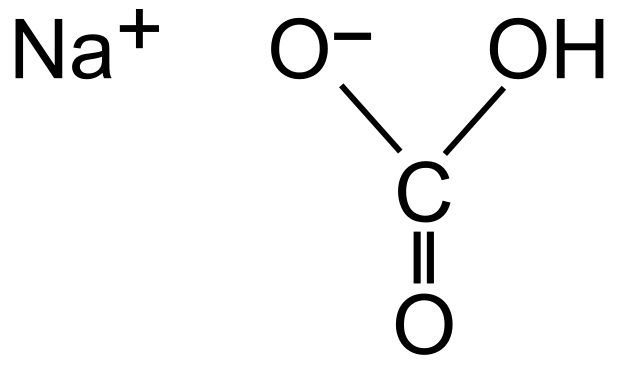
Today's MOTD is worth telling your friends about, it's sodium bicarbonate.
Sodium bicarbonate, also known as baking soda, is primarily produced from sodium carbonate in the Solvay process but can also be made by other methods.
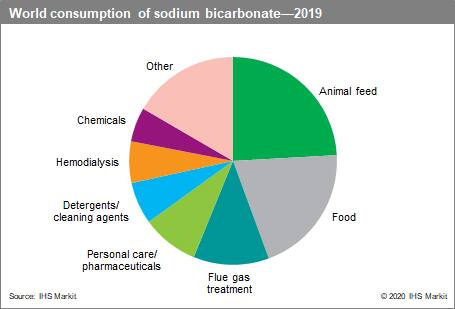
More than half of the 8 million tons of sodium bicarbonate made each year are made in Asia. It's companies like AGC Chemicals, Solvay, Novacap, Church & Dwight, and Tata Chemicals that produce most of that baking soda. Most of the sodium bicarbonate is used in animal feed and the food industry, but it is also notably used in flue gas treatment and detergents (check out this pie chart).