| WTI Crude | $63.61/bbl | +0.5% |
| Brent Crude | $66.72/bbl | -0.2% |
| HH Nat Gas | $2.84/MMBtu | -1.4% |
| MB Propane | $0.80/gal | +0.4% |
| 3:2:1 Crack | $19.21/bbl | -7.9% |
Olin plans to make even less chlor-alkali
US-based chemical manufacturer, Olin, has announced that it will be permanently shutting down 20% (225,000 tons) of its chlor-alkali capacity in Plaquemine, LA.
What are they making?
The chlor-alkali process produces chlorine (chlor) and sodium hydroxide (alkali) by the electrolysis of a salty (sodium chloride) solution. Olin is actually the world's largest chlor-alkali producer. Most of that chlorine ends up in things like PVC, foams, paints, and refrigerants while that sodium hydroxide is mainly used in the alumina and pulp and paper industries.
Why make less?
This reduction in capacity follows similar announcements—the company recently shut down 200,000 tons in Alabama and also announced a 230,000-ton reduction in Freeport, TX. All of these reductions are occurring at sites using the older diaphragm electrolysis process. Olin is reducing its chlor-alkali capacity at these sites because it wants "to exit high-capital, low-return diaphragm ECUs".
Read the press release here.
Mitsubishi wants to store hydrogen in salt caverns
Heavy machinery producer, Mitsubishi Power, and brine producer, Texas Brine, have announced plans to jointly develop large-scale long-duration hydrogen storage solutions.
Why Texas Brine?
The process of solution mining not only produces large quantities of brine (the feedstock for chlor-alkali producers like Olin), but leaves behind a large, hollow, and impermeable salt cavern. For the last 50 years, these salt caverns have been primarily used to store natural gas, oil, and other petroleum derivatives. Now, the potential to store large quantities of hydrogen in these caverns is being seriously considered.
Zooming out:
The push for sustainability and reduced emissions is showing no signs of slowing down—and for better or worse it's clear that hydrogen will have a seat at the table. Mitsubishi wants to sell its hydrogen-compatible gas turbines and it will have an easier time doing so if more hydrogen storage is available. That's why the company is making sure the salt caverns produced by Texas Brine are fit for hydrogen.
Read the press release here.
BASF enters China with a battery materials JV
German chemical giant, BASF, and Chinese battery materials producer, Shanshan, have announced the formation of a joint venture (51:49) to produce cathode active materials and their precursors in China.
What are they making?
The last time we talked about BASF in the battery industry was when the company announced plans to produce nickel and cobalt back in December. BASF and Shanshan will use nickel and cobalt to produce precursor metal oxide powders and the final cathode material (such as NCM and NCA).
Why it's a big deal:
Shanshan has been producing these materials for nearly two decades and already operates four production plants in China. The joint venture means BASF will enter the Asian market—making it the first company with capacity all around the globe. As the demand for batteries continues to skyrocket you can expect the demand for cathodes to do the same.
Read the press release here.
The Reboiler:
- Neste is testing renewable gasoline in Sweden
- Ineos and Lactel are going to produce the HDPE milk bottles from chemical recycling
- Kemira started up its dry polyacrylamide plant in South Korea
- W.R. Grace completed its silica capacity expansion in Malaysia
- NextChem and Mytilineos are looking to develop a green H2 plant in Italy
- BP and Eni are considering combining their Anglolan interests
- The American Chemistry Council made a statement saying that banning polystrene is misguided
MOTD: bisphenola
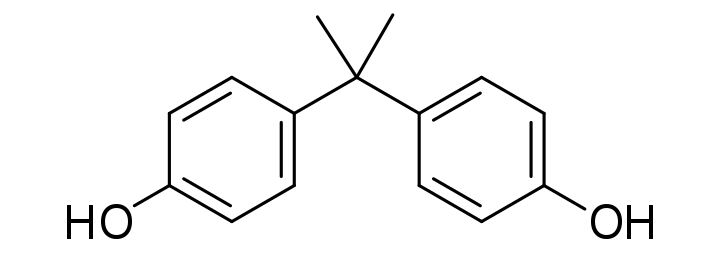
Today's MOTD might be more important than you expect, it's bisphenol A.
You've seen the label and you've probably heard a thing or two about bisphenol A (BPA). The mass production of this controversial molecule got started in the 1950s by the condensation two equivalents of phenol (bisphenol) and acetone (A).

Despite BPA's recognition as an artificial estrogen in the 1930s, the molecule's debatable health consequences have been outweighed by its ability to produce useful polycarbonates and vinyl ester resins. It is now known that trace amounts of BPA can be leached from the materials it is transformed into—when they are exposed to hard use (scratching) or high temperatures (your microwave and dishwasher).
In any case, the world now produces nearly 10 million tons of the molecule each year. Most of that production is done by Covestro, SABIC, Chang Chun, Formosa, and LG Chem.