
| WTI Crude | $48.35/bbl | +0.2% |
| Brent Crude | $51.22/bbl | +0.9% |
| HH Nat Gas | $2.39/MMBtu | +1.3% |
| MB Propane | $0.75/gal | -0.7% |
| 3:2:1 Crack | $11.49/bbl | -1.2% |
Avantium gets a grant to make sustainable acid
Netherlands-based sustainable chemicals company, Avantium, has announced that it has received a $6.6 million grant from the Netherlands Enterprise Agency to expand Avantium's furandicarboxylic acid plant in the city of Geleen.
What kind of acid?
Furandicarboxylic acid (FDCA) can be produced by dehydrating sugars and oxidizing that product. The resulting acid (FDCA) can be polymerized with ethylene glycol to produce polyethylene furanoate (PEF). PEF has long been regarded as a potential replacement to the ever so popular PET, but it's not going to be easy to achieve.

Why did they get the grant?
The grant was given out because it aligns with the Netherlands' Demonstration Energy and Climate Innovation plans. If Avantium's pilot plant (and eventually its flagship facility) can produce large quantities of the bio-based FDCA economically, then the Netherlands can reduce its emissions and start achieving its sustainability goals.
Read the press release here.
Lanxess' new resin has a niche application
German specialty chemicals company, Lanxess, has announced a new ion-exchange resin for heparin production and sugar decolorization.
What are they selling?
Lanxess produces ion-exchange resins—which are basically fancy polymers that have an affinity for certain molecules. In this case, Lanxess' new resin (a cross-linked polyacrylate) can be added to a process in a beaded form to extract "organic substances with a high molecular weight".
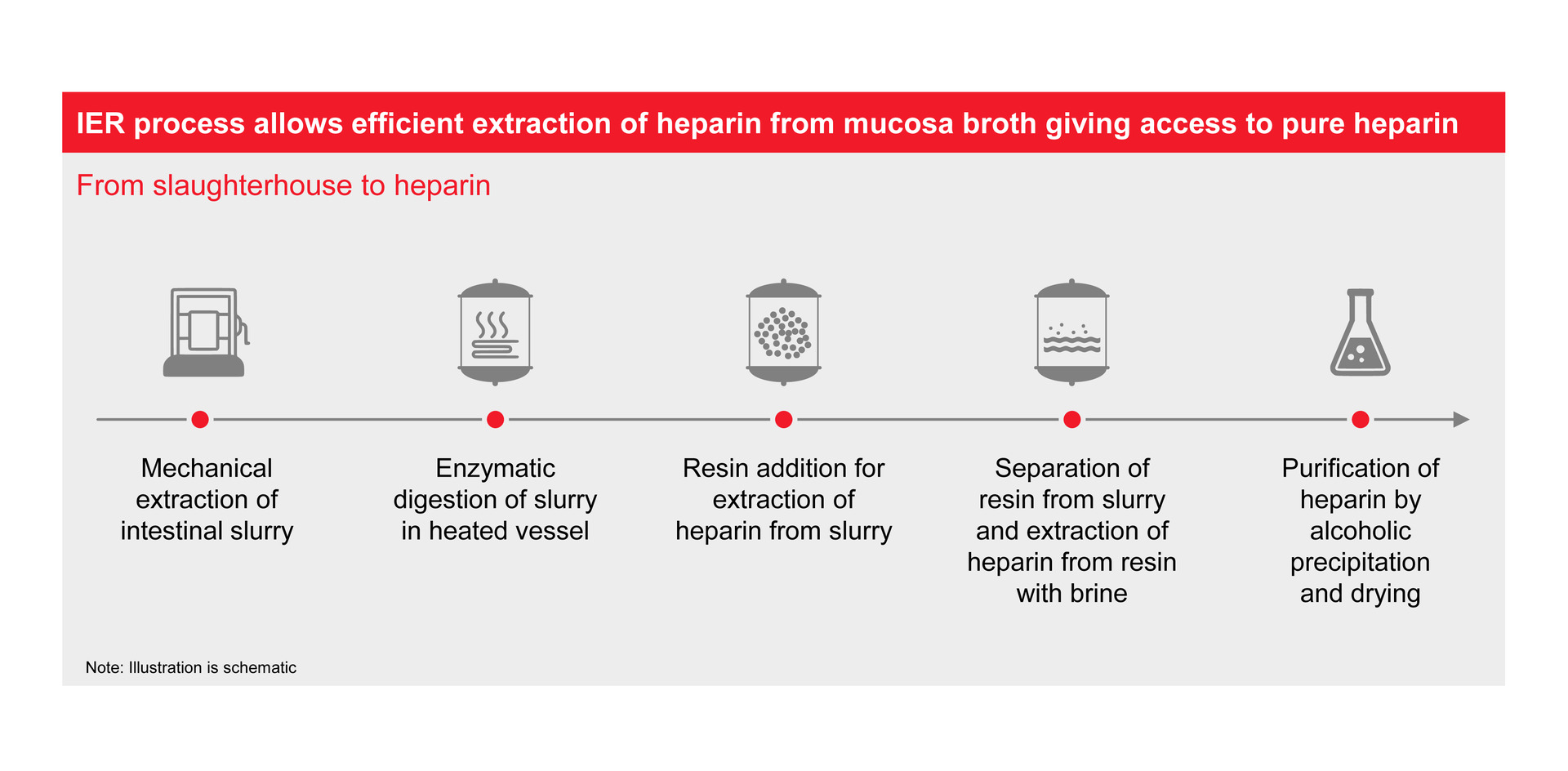
So how will these be used?
Lanxess noted one specific application, the production of heparin for use in the medical industry as a blood thinner. Aside from that, the resin can be used in other "liquid sugar syrups or complex process solutions such as fermentation broths".
Read the press release here.
Carbon Clean forms a JV to invest in India
Carbon capture start-up, Carbon Clean, and French environmental services company, Veolia, have announced the formation of a joint venture (JV) to tackle some new green projects in India.
What are the projects?
The newly established JV, called Veolia Carbon Clean, will "develop two carbon capture utilization and storage (CCUS) and compressed biogas (CBG) projects in India". The projects will be financed, designed, built, and operated by the JV, but will utilize Carbon Clean's "patented CDRMax and MethPure technologies".
Zooming out:
India's sustainability plan is calling for 16 million tons of compressed biogas to be produced "from 5,000 plants by 2023". The plan aims to reduce imports, create employment, and reduce pollution domestically—and it's going to take collaboration between companies to get there. The formation of JVs like this one is a step in the right direction (albeit a small one).
Read the press release here.
The Reboiler:
- Saudi Arabia's Aramco and Germany's SAP form an alliance
- Mitsubishi Chemical's new pilot facility for composites
- NextChem signs an agreement to produce low-carbon chemicals
- PPG buys another paint producer for $1.35 billion
- Johnson Matthey and thyssenkrupp are still going to work together
MOTD: urea
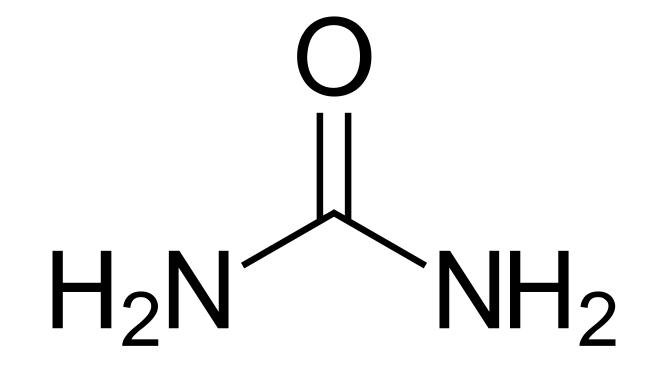
Today's MOTD is the world famous, urea.
First discovered in urine by a Dutch scientist in 1727, the world now produces roughly 250 million tons of urea each year. Nearly all of that urea is made by reacting ammonia with carbon dioxide, so it is primarily ammonia producers who make urea (companies like Nutrien and Yara).
While over 90% of urea produced is used as a fertilizer, it can also be used to produce urea-formaldehyde resins, melamine, diesel exhaust fluids (DEF), and livestock feeds. Urea is even used in some adhesives and paints, laminates, molding compounds, paper, and textiles.